Sermon Text: Rom. 8:12-17 Matt. 7:15-23
Grace, mercy, and peace from God our Father, and the Lord Jesus Christ, His dear Son, our Lord, be with you all. Amen.
Jesus does not say false prophets might come; He guarantees that they will come. The danger is that they do not look like false prophets. They don’t wear name tags labeling themselves as heretics. They come in sheep’s clothing, using our words, or even the Word of God itself, in their vocabulary. They hold Bibles, look very nice, and seem like they wouldn’t be bad people at all—very outwardly pious. But inside, they are, as our Lord states, ravenous wolves seeking to devour our faith.
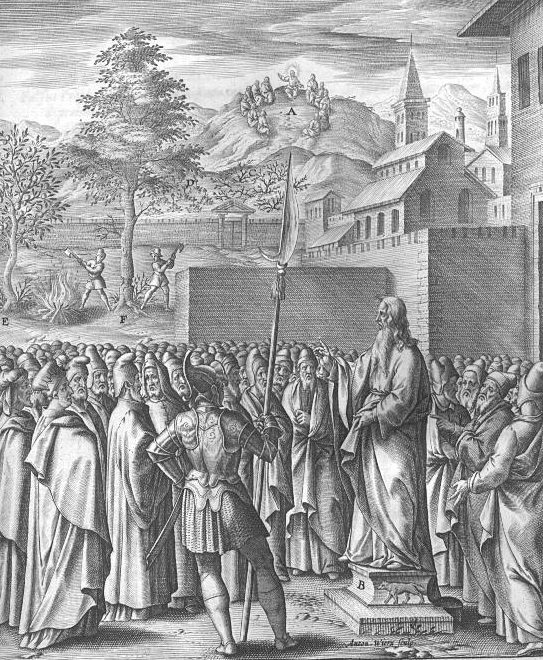
In a confessional Lutheran understanding, the fruit of a prophet is primarily their doctrine and teaching, not just their outward moral behavior. We have established that Donatism doesn’t really work, and that a preacher’s, pastor’s, or priest’s moral standing doesn’t dictate the validity of the Word he preaches, as long as the teaching itself is correct. Jesus Christ Himself said this when He said to listen to the Pharisees. A false prophet can look like the nicest, most charitable person ever, but any preacher who teaches that your works, your obedience, your decisions, or your merits contribute to your salvation is bearing bad fruit.
Preaching works for salvation is the ultimate false teaching because it robs Christ of His glory and robs the terrified conscience of peace. False teaching is not just a simple mistake; it is a severe breaking of the Second Commandment. As we see in our Catechism: “You shall not misuse the name of the Lord your God in vain.” Luther tells us in the Large Catechism that the greatest abuse of God’s name happens in spiritual matters, when false preachers say, “God says this,” when God has not said it. To attach God’s holy name to a theology of works-righteousness is to lie and deceive by His name, selling a false bill of goods to dying sinners.
The early Church Fathers fiercely defended the flock from this. Saint Ignatius warned that false teachers are like those who mix deadly poison with sweet wine. Because the cup looks and tastes sweet, the victim drinks it willingly, unaware that the doctrine of works and self-justification brings spiritual death. Luther specifically warned against looking at the outward shine of a preacher rather than their message. Preaching on this very text, Luther wrote: “We must judge by the fruits, but what are the fruits? The fruits are the teaching and the doctrine.” Luther noted that the devil can mimic good works, but the devil cannot truthfully preach Christ crucified for the forgiveness of sins.
In verses 21-23, the false prophets stand before Jesus at the judgment. Notice what they point to: “Lord, have we not prophesied, cast out demons, done wonders?” Their faith was in their own religious resumes. They trusted their spiritual performance, their miracles, and their works. Jesus replies, “I never knew you; depart from me,” because they trusted in themselves rather than the cross. Their works were nothing but lawlessness.
You will know a faithful pastor and true prophet by one simple metric: they always point away from themselves, away from your works, and directly to Jesus Christ. A false teacher leads you to look inward, asking, “Have I done enough? Did I pray hard enough? Is my faith strong enough?” A true teacher leads you to look outward, to the cross, declaring, “It is finished.” Christ has done enough for you. Christ is the only truly good tree. You are grafted into Him by grace alone, through faith alone. Because He is good, He declares you good, and only then do you naturally bear the good fruits of loving your neighbor—not to earn heaven, but because heaven is already yours.
How do we then—as sheep who we know are not so smart, but rather fragile—survive a world filled with wolves and deceptive doctrines? We do not rely on our own intellect or spiritual feelings. We run to the concrete, objective gifts of God: the Word and the Sacraments. False prophets deal in subjective feelings and demands for your performance. Christ protects His sheep by delivering His grace exactly where He promised it would be: in the Word, purely preached, declaring you justified for Christ’s sake; in the waters of Holy Baptism, where He put His name on you and made you His own; and in the Lord’s Supper, where He physically feeds you His true body and blood for the forgiveness of your sins.
In the Word and Sacraments, Jesus says to you, “I know you; you are forgiven; depart in peace.” Clinging to these tangible promises is the only way to remain safe, secure, and well-fed in the arms of the Good Shepherd.
And may the peace of God, which passes all understanding, keep your hearts and your minds in Christ Jesus, our Lord. Amen.